

Mesothelioma
Mesothelioma is a type of cancer that grows in the linings that protect certain organs. It is usually found in the lung linings or abdomen (peritoneum).
Mesothelioma is more prone to develop in those who have been exposed to asbestos. Anyone who has worked with asbestos, or lived near an asbest mine or factory are at risk.
Signs and symptoms
Mesothelioma, a cancerous tumor, that develops in the thin layer of tissue that protects and surrounds organs. Exposure to asbestos typically causes cancerous tumors to form in these tissues, but symptoms may not show up for years after exposure. The majority of patients who develop mesothelioma suffer from mesothelioma of the pleural (lung cavity). Other types include the peritoneal (abdominal cavity), the pericardial (lining of the heart) and testicular mesothelioma.
The symptoms include fluid buildup, breathing problems and pain. These symptoms are often misdiagnosed as they can be similar to other health ailments. Mesothelioma patients can expect to see several medical professionals prior to being diagnosed.
Mesothelioma is a rare form of cancer that is linked to asbestos exposure is a rare cancer. It takes between 10 and 50 years for first signs of mesothelioma to appear, but it can be difficult to identify because of the lengthy latency time.
A doctor will start by conducting a physical examination. They will inquire about your family history and your work background. The doctor may recommend a chest CT scan or X-ray to look for evidence of asbestos exposure such as pleural plaques and other abnormalities. These tests can also detect fluid build-up between the chest wall and the lungs which is known as Pleural effusion.
An MRI or PET scan can be used to help doctors detect cancerous tumors and distinguish between mesothelioma as well as other cancers. These tests can also detect asbestos-related changes within the heart of patients which is known as pericardial msothelioma.
Doctors may also perform a biopsy to confirm the diagnosis of mesothelioma. The procedure involves inserting a needle into the affected region of the body and taking a small sample of cells for examination under microscope.
In addition to identifying mesothelioma and causing it, a biopsy can aid in determining the stage the cancer as well as what kind it is. A biopsy may be performed as part of a routine health exam or after patients experience mesothelioma-related symptoms. In many instances, patients are referred to an expert for the procedure. It could be a surgeon an oncologist, or a pulmonologist. The doctor will choose the most effective method of testing mesothelioma.
Diagnosis
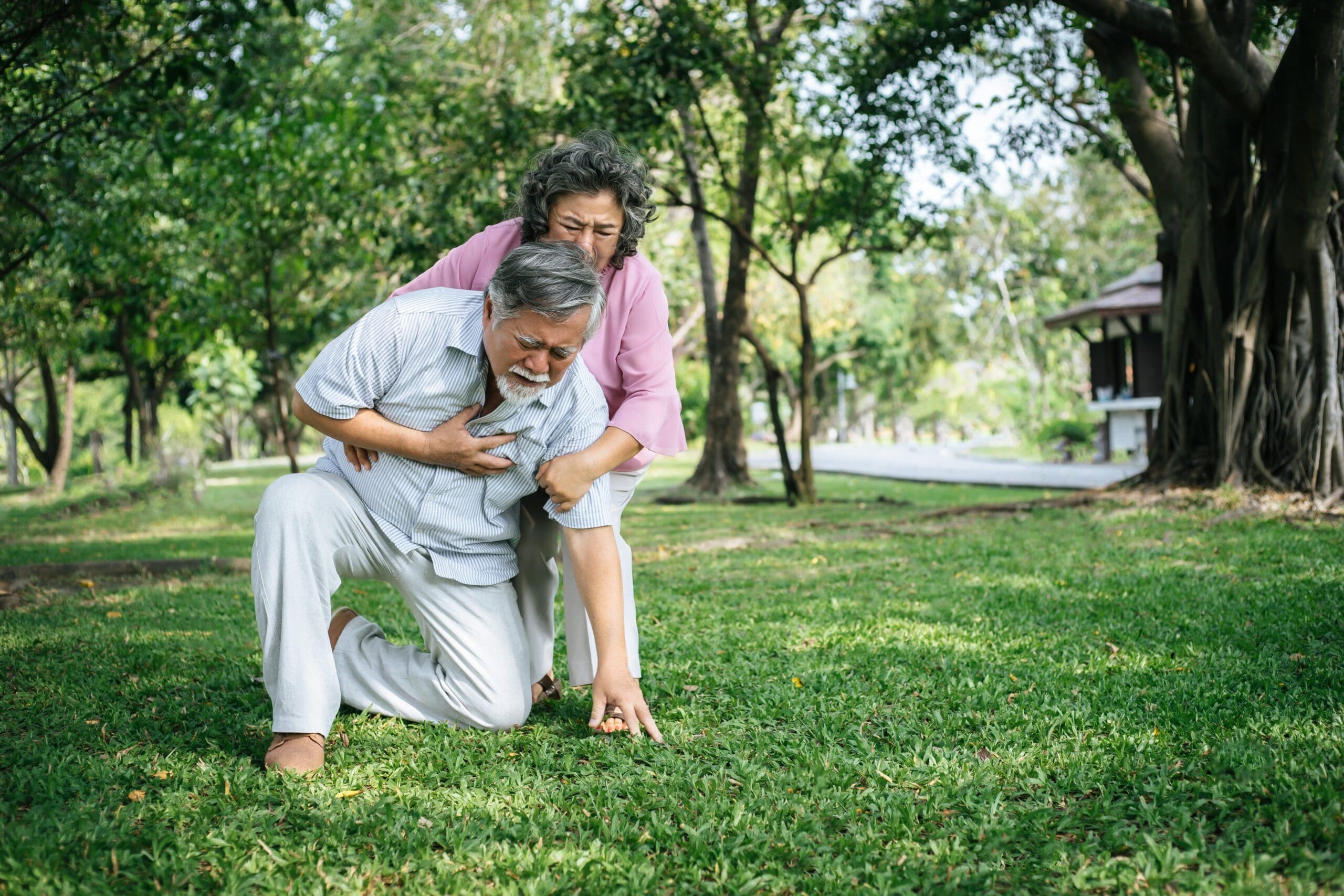
Mesothelioma is a rare form of cancer that can take years to develop. It is essential to be diagnosed as early as possible since the symptoms can be similar to those of other diseases. This will increase the likelihood of a positive outcome. The first step is to consult a GP or specialist doctor. They will ask you about your past exposure to asbestos and will take an examination of your medical history.
In addition to taking a medical history, doctors will need to conduct a variety of tests and scans of your body. These include blood tests, CT and PET scans and X-rays. The X-rays will help doctors spot abnormalities in the lungs like thickening of the pleura, or the accumulation of fluids, which are typical symptoms of mesothelioma. CT and PET scans are able to detect small abnormalities that might not be visible in an X-ray. The scans can also show the location and size of any tumors or masses.
Doctors will use these test results to establish a mesothelioma diagnose and determine your treatment stage. There are four stages of mesothelioma from stage 1 to stage 4. Stages 1 and 2 mesothelioma stages are less advanced and are more easily treated than later stages.
If your doctor suspects mesothelioma may be present, they'll order a tissue biopsy to confirm your diagnosis and look for cancerous cells. A biopsy is when doctors take a small sample of tissue and examine it under a magnifying glass to detect mesothelioma. Mesothelioma is classified into three types depending on the type cells that are found in a tissue sample. Epithelioid mesothelioma is responsible for 70 percent of all diagnoses and is the most susceptible to treatment. Sarcomatoid mesothelioma is the least frequent and has a lower prognosis.
In many cases, mesothelioma can be misdiagnosed due to the symptoms are similar. This is particularly relevant for mesothelioma that could be mistakenly identified as lung cancer or other ailments like pneumonia and bronchitis. A mesothelioma misdiagnosis could delay the start of treatment, which can greatly improve your chances of survival. It is important to consult an GP as soon as you can in the event that you experience any unusual symptoms. Also, tell them if you have ever been exposed to asbestos.
Treatment
Mesothelioma is a cancer of the thin layer of tissue that lines the inside of organs like the lungs and abdomen. It is a rare cancer that can be fatal. mesothelioma asbestos lawyers is caused by asbestos exposure. People diagnosed with mesothelioma may benefit from an array of treatments. It is essential to get mesothelioma diagnoses as early as is possible. Mesothelioma can have a long time to develop, which means that symptoms may not appear for decades after the initial exposure.
A doctor can identify Mesothelioma based on an medical history and physical exam, as well as imaging tests. X-rays and other scans can reveal the presence of fluid in the chest cavity and abdominal cavity, or the pericardium. They can also reveal signs such as wheezing, coughing or chest pain. Doctors can also determine the stage of mesothelioma in a patient. The staging system determines what treatments are available and the likelihood the cancer will spread.
The most common mesothelioma type is found in the lungs' linings. The mesothelioma that is peritoneal develops on the lining in the abdomen. The third type is a combination of both epithelioid and sarcomatoid mesothelioma, referred to as biphasic meso. It is found in 10 percent of mesothelioma cases.
Doctors conduct a biopsy when a patient shows symptoms of mesothelioma. A biopsy involves removing some of the tissue or fluid from the suspected tumor to examine it under the microscope. This test can reveal cell types that are typical of mesothelioma.
Certain people with mesothelioma pleural undergo a surgical procedure to remove the affected lung's lining. This is a procedure known as pleurodesis, and it can be done with or without chemotherapy. Typically, a pleurodesis requires an experienced surgical team in mesothelioma treatment.
In addition to a pleurodesis patients suffering from this disease may undergo other surgeries, chemotherapy and radiation. Other treatment options include immunotherapy, which enhances the body's natural defences against cancer and gene therapy which injects modified viruses into a patient's body in order to stop the growth of tumors.
Prognosis
Mesothelioma is a rare form of cancer that develops in the thin layer of protective tissue that covers various organs, including the abdomen, lungs and heart. The only cause that is known for mesothelioma's development is asbestos exposure. Blue-collar workers employed asbestos-containing products in their work from the 1930s to the 1980s. They may have breathed in or swallowed tiny asbestos fibers which were lodged in their tissues. Patients with mesothelioma often experience symptoms that persist for years before they are diagnosed.
A doctor will examine a person who has been diagnosed with mesothelioma in order to determine the symptoms and severity of their condition. The doctor will go through the medical records of the patient including any asbestos exposure history. Mesothelioma is usually diagnosed after a person presents with persistent symptoms, like chest pain or breathing difficulties.
The doctor will recommend imaging tests, like the CT scan, MRI or PET (positron emission tomography) scans, in order to evaluate the health of the patient and determine the best treatment options. These tests can help doctors identify other illnesses that have similar symptoms, such as lung cancer or pneumonia. These tests also aid in identifying the types of mesothelioma, as in determining the stage as well as the grade.
Pleural mesothelioma is easier to treat than the other kinds. Asbestos patients diagnosed with peritoneal mesothelioma or testicular cancer could have a tougher time battling the cancer. They could also have shorter lives.
Mesothelioma patients in the beginning stages of the cancer have the best chance for survival. This is because a smaller area of cancer is easier to treat than a larger one which has spread to several parts of the body.
Family members of those diagnosed with mesothelioma are at higher risk than other individuals of developing the cancer. This is because family members are more likely to be exposed to asbestos exposure from secondhand sources, such as when an employee who was exposed brought home asbestos fibers on their clothes or hair. The exposure to asbestos of a spouse, child or sibling may also increase the risk of mesothelioma.